
The Establishment's 75-Case Free Speech Trap

Our read
The legacy press is desperate to rebrand standard administrative friction and campaign NDAs as systemic state censorship to shield their own institutional speech-policing monopoly.


What happened
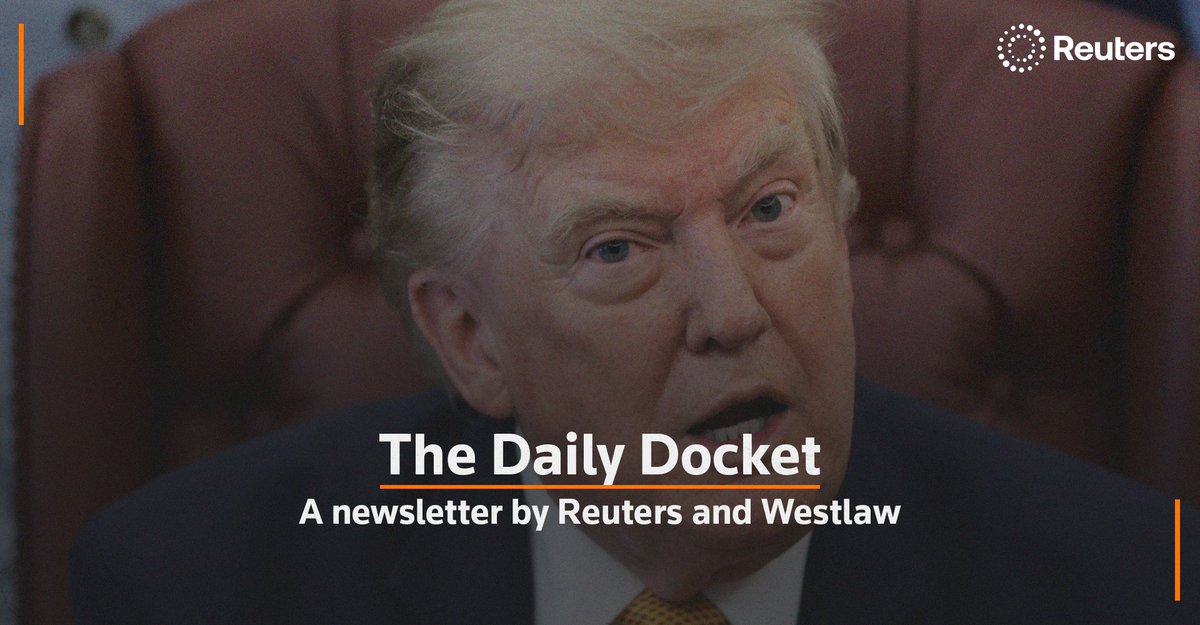
Reuters published a sweeping data analysis of 75 court cases, claiming Donald Trump's administration and campaign actively stifled free speech despite his public platform of defending the First Amendment.
The brief
By equating routine executive branch NDAs and policy disputes with actual state-level viewpoint suppression, the corporate media is trying to dilute the definition of censorship until it fits their preferred target.
The sides
- Corporate Media and Judiciary
Trump is a hypocrite whose administrative actions and legal threats systematically weaponized state and private power to silence critics.
- Free Speech Populists
Legacy courts are stretching traditional administrative disputes into 'free speech' violations to run a coordinated lawfare campaign against political outsiders.
Why now
Reuters is pushing a massive, data-driven narrative to preemptively dismantle Trump's free speech platform ahead of future policy fights. The story is rapidly circulating among legacy media outlets seeking a definitive counterweight to the populist free speech movement.
Questions
What is the core claim in the Reuters report about Trump and free speech?
Reuters analyzed 75 court cases to argue that Donald Trump's first administration and campaign actively suppressed free speech. The report compiles legal disputes involving non-disclosure agreements, security clearance revocations, and administrative actions against federal employees. By grouping these standard executive actions together, the legacy press seeks to build a data-driven narrative that Trump's populist defense of the First Amendment is entirely hypocritical.
Why is the legacy press framing campaign NDAs as state censorship?
The media conflates private campaign contracts with state-sponsored censorship to dilute the definition of actual First Amendment violations. Non-disclosure agreements are standard private sector tools used by political campaigns of both parties to protect proprietary strategy and prevent internal leaks. Labeling these routine civil agreements as systemic government suppression is a deliberate attempt to shield actual state-backed censorship operations from public scrutiny.
How does administrative friction differ from actual government censorship?
Administrative friction involves routine internal employment disputes, security clearances, and executive branch management, whereas actual censorship is the state using its monopoly on force to silence private citizens. Revoking a former official's security clearance or enforcing civil service conduct rules does not violate the First Amendment. True censorship occurs when federal agencies pressure private social media platforms to systematically shadowban and deplatform American citizens for dissenting political views.
Who benefits from rebranding routine government legal disputes as a free speech crisis?
The legacy media and entrenched federal bureaucrats benefit because this narrative deflects attention from their own coordinated censorship efforts. By establishing a false equivalence between Trump's administrative disputes and systemic state-directed silencing, these institutions hope to neutralize criticism of the federal censorship-industrial complex. This framing allows legacy outlets to position themselves as defenders of free expression while actively supporting the suppression of populist speech.
What is the strongest counter-argument to the claim that Trump's administration stifled free speech?
The vast majority of the 75 cases cited involve standard executive branch operations and private civil contracts that have survived legal scrutiny under multiple administrations. Executive privilege, classified information protection, and campaign confidentiality are legally recognized concepts, not novel tools invented to crush dissent. True threats to the First Amendment involve the weaponization of federal law enforcement against political opponents, a tactic championed by Trump's detractors rather than his administration.
What happens next as this narrative spreads through the media ecosystem?
Expect legacy media outlets to use this 75-case database as a recurring rhetorical shield during future debates over online censorship and federal agency reform. Whenever populist reformers attempt to dismantle state-backed speech-policing operations, the press will cite this report to claim both sides are equally guilty. This coordinated push aims to preemptively delegitimize any future executive actions designed to protect citizen speech from bureaucratic overreach.
Receipts
Related dispatches
- The Federal Court Slapback on State-Sponsored CensorshipThe ruling exposes the administrative state's favorite loophole: outsourcing censorship to private tech companies to bypass the First Amendment.
- The Trump Prophecy and the Grift of Political HagiographyWhen centers of Western learning prioritize cheap public relations over basic institutional integrity, they hand cultural progressives an effortless victory in the media landscape.
- The federal data gatekeeper resigned because the narrative lost its shieldThe federal bureaucracy treats public data as its private intellectual property, using 'context' as a shield to hide inconvenient operational realities from the taxpayers funding them.
- Trump's UN Free Speech Declaration Targets EU Tech CensorsUsing the UN to protect free speech is a hilarious, high-IQ judo move. Washington is turning the same international machinery Eurocrats use for speech moderation into a weapon against the DSA stack.
- FIRE bypasses the publishing gatekeepers with a free speech libraryThe institutional elite spent a decade turning libraries and academic publishing into curated safe spaces designed to filter out dissenting thought. By releasing a free, unthrottled library of classic free speech texts, FIRE isn't just making a point; they are building a parallel pipeline for intellectual self-defense.
- The Culture War Ended and the Institutions Never MovedBuilding parallel media playpens is a losing strategy. The real battle is a grinding, bureaucratic fight to re-occupy legacy institutions that hold civilizational authority.