Foreign influence ops weaponize local NIMBYs to choke US AI capacity

Our read
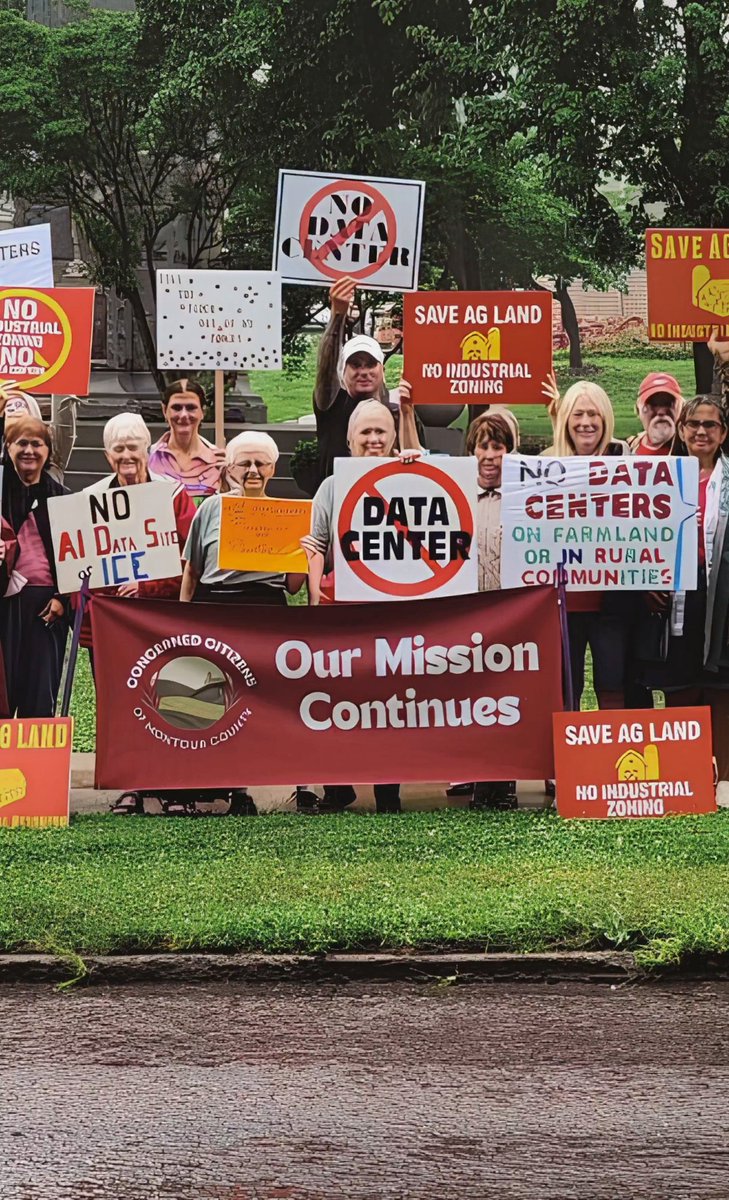
The local fight over noise pollution and power lines isn't a grassroots eco-movement; it is a cheap, outsourced asymmetric warfare campaign. Adversaries who cannot out-compute America are using our own municipal zoning laws and hypersensitive local boards to choke our compute capacity before the chips even arrive.

What happened
A new intelligence report reveals that Chinese and Russian influence operations are actively amplifying local environmental and noise complaints to block the construction of American AI data centers.
The brief
When your local Facebook group starts using professional-grade talking points to block a power substation, you are not witnessing a grassroots civic awakening. You are watching a foreign state-backed bot farm run a successful denial-of-service attack on American industrial capacity.
The sides
- Local NIMBYs & Environmentalists
Data centers destroy local power grids and quiet neighborhoods and must be heavily restricted.
- National Security & Tech Builders
AI infrastructure is a critical national security asset that cannot be vetoed by municipal zoning boards.
Why now
Recent intelligence reports highlight that state-sponsored actors are flooding local forums with deepfakes and coordinated narratives. This comes at a critical moment as US tech companies scramble to secure the massive energy grids required to train next-generation models.
Questions
How do foreign adversaries use local zoning laws to block American AI data centers?
Foreign influence operations weaponize local municipal codes by funding and amplifying hyper-local environmental, noise, and aesthetic complaints. By flooding zoning boards with automated opposition and funding local activist front groups, adversaries exploit America's decentralized planning process to delay or cancel critical power and compute infrastructure. This asymmetric strategy turns routine local bureaucracy into a low-cost veto over national security priorities.
Which foreign nations are behind the campaigns targeting US compute infrastructure?
Intelligence reports point directly to coordinated influence networks linked to China and Russia. These actors recognize they cannot match American semiconductor innovation or venture capital, so they target the physical layer of the AI race instead. By keeping US data centers tied up in local litigation and environmental reviews, they buy time to close the technological gap.
Why are data centers the primary target for these foreign influence operations?
Data centers are the physical engines of artificial intelligence, and choking their power supply is the easiest way to stall American technological dominance. Training next-generation frontier models requires massive, uninterrupted electrical capacity that the current US grid cannot easily deliver. Blocking a single substation or transmission line through local protests effectively freezes the development of the chips that rely on them.
What is the cost to the US if these local infrastructure delays continue?
The immediate cost is losing the global AI race to authoritarian regimes that do not have to deal with local zoning boards or environmental impact reports. If US compute capacity is artificially capped by manufactured local opposition, American tech firms will be forced to ration compute or build abroad. This cedes the standards-setting power of next-generation AI to state-controlled Chinese models.
How do foreign actors mask their involvement in these grassroots protests?
Adversaries route their influence through shell companies, dark-money environmental non-profits, and coordinated social media bot networks that mimic concerned local residents. They latch onto genuine local anxieties about noise pollution, water usage, and rising utility bills, amplifying them until a minor neighborhood grievance looks like a massive community uprising. The local activists rarely realize they are acting as useful idiots for foreign intelligence services.
What is the strongest counter-argument to federal intervention in these local disputes?
Critics argue that overriding local zoning laws in the name of national security strips citizens of their property rights and destroys local self-governance. They contend that residents have a legitimate right to protect their communities from the noise, high water consumption, and massive power demands of hyperscale data centers. However, treating a coordinated foreign influence campaign as a standard local zoning dispute ignores the geopolitical reality of the AI race.
Receipts
Related dispatches
- The Fake Local Outrage EngineAdversaries are not inventing our divisions; they are just running a script on our pre-existing software. If your local energy policy is fragile enough to be derailed by a handful of AI-generated Facebook accounts complaining about noise, the problem is your system, not the bots.
- Trump's Chinese Hardware Ban Forces Silicon Valley to Choose Between Cheap Silicon and National SecurityFor years, the tech elite preached globalist efficiency while outsourcing their physical supply chains to a geopolitical rival. This ban is a harsh reminder that you cannot build sovereign intelligence on hostile silicon, no matter how much it helps your quarterly margins.
- Red Tape is America's Real AI Blind SpotThe United States is treating the AI race like a suburban zoning dispute while China treats it like a mobilization war. The bottleneck isn't the math or the chips; it is a self-inflicted compliance regime that treats national security infrastructure as a local nuisance.
- The Cheap Chinese AI Trap and the Race for American ComputeSubsidized Chinese AI is the new cheap manufacturing trap. Beijing is deliberately underpricing its API compute to hook Western startups on their pipeline, harvesting valuable user data and crippling American infrastructure incentives before our domestic capacity can scale.
- The AI Land Grab: How Eminent Domain is Being Weaponized for Big Tech's Grid DemandsLocal governments and state-backed utility monopolies are weaponizing eminent domain to seize private American land and generational family homes, diverting critical power and water resources to feed insatiable AI data centers under the fraudulent guise of public infrastructure.
- The Secret AI Arms Race We Knew Was ComingThe borderless open-source sermon is dead. You cannot preach global model harmony when the competitor is a state-subsidized machine designed to eat your lunch. Washington is finally treating code like a weapon, not a public library.