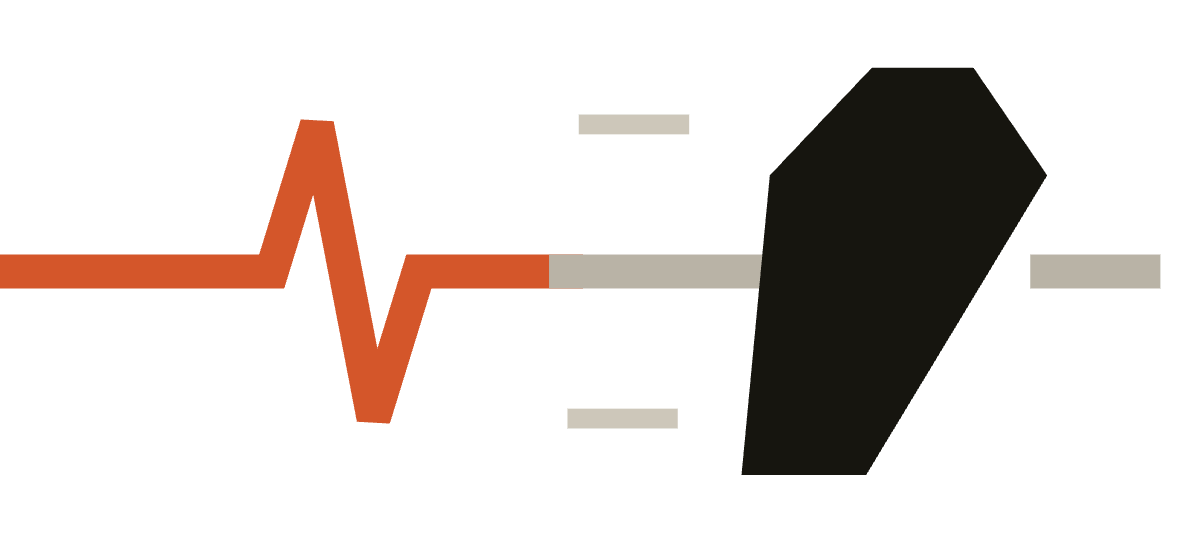
Horseshoe Theory

The take
Far-left and far-right swear they are mortal enemies. Horseshoe Theory is the rude geometry of politics: bend the spectrum far enough and both tips want the same boot on your neck, the same speech ban, and the same state plan.
The Tell
Same boot. Different jerseys.

Stakes
Establishment media frames every crisis as democracy versus fascism. That jersey theater hides the horseshoe: both extremes converge on censorship, central planning, and treating the classical liberal middle as the enemy to crush.
Source Dispatch
The read
Mainstream commentators treat the convergence of the far-left and far-right as a bizarre intellectual mystery. They write endless essays wondering how anti-capitalist agitators and nationalist populists end up running the same playbook.
Horseshoe Theory answers with a shape, not a seminar. The political spectrum is not a straight line with noble opposites at each end.
Bend it and the tips meet: both hate free speech, both reach for the state, both treat the liberal middle as the problem. One side markets a worker paradise of equity. The other markets national restoration.
Different brochures. Same machinery once they get near power.
Weimar's collapse and every later debt panic make the bend faster, which is why Far-Right Inflation spends the same slur stack on anyone who refuses the liturgy. The fight that matters is not which extreme jersey wins.
It is whether the individual who wants to be left alone still has a middle of the horseshoe to stand in.
In the wild
- Historian James Holland notes that Weimar Germany's collapse was not a sudden moral failure, but a financial contagion that left a traumatized population choosing between competing brands of radical collectivism.
- Corporate media outlets routinely express shock when far-left anti-war activists and nationalist populists align on trade protectionism and foreign isolationism.
- Academic political scientists struggle to classify regimes that combine strict state control of industry with intense national identity, despite both extremes utilizing identical police-state tactics.
- Episode: Why Hitler Failed: The Real Mechanics of Weimar's Collapse (https://www.youtube.com/watch?v=GBmHsmW6OX8)
Related
 Terminally onlineTerminally Online is when the feed's stakes feel more real than your actual life. Likes, outrage loops, and timeline drama become the OS; IRL is the side quest.
 NewsjackNewsjacking is when a brand or influencer hijacks a trending news story or event to promote their own sh*t. Basically the digital equivalent of an ambulance chaser, but for clicks.
 BEHODLBEHODL is Gifdead's unserious-serious mashup of behold and HODL: look at this, and maybe don't panic-sell your personality. It's the internet's way of saying, "Pay attention, but don't let the algorithm or the mob dictate your next move."
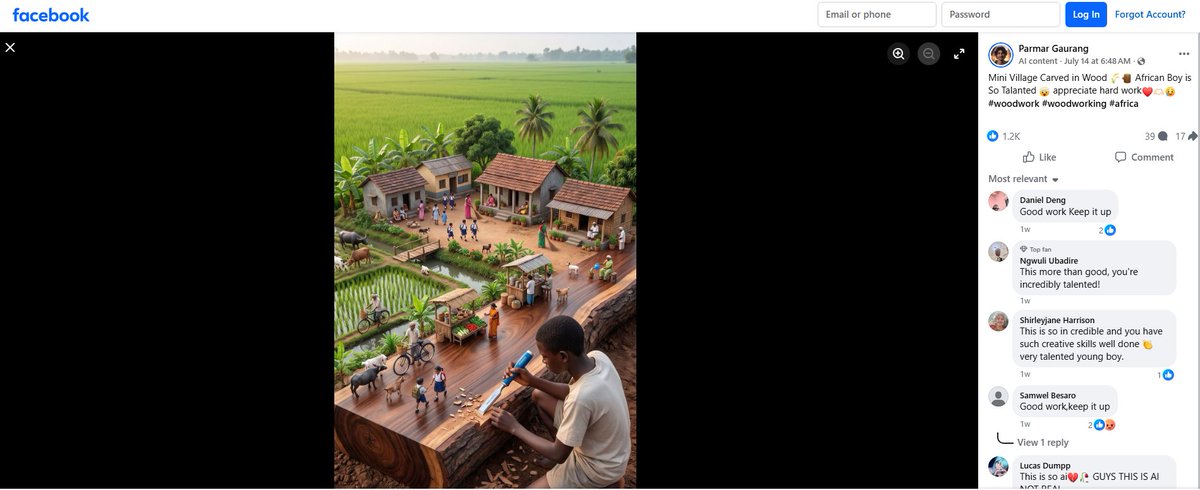 Dead Internet TheoryMost of what fills your feed was never typed by someone who can get hungry. Dead Internet Theory is the claim that bots and synthetic sludge already outnumber real people online, and generative AI turned a fringe forum scare story into Tuesday's traffic report.
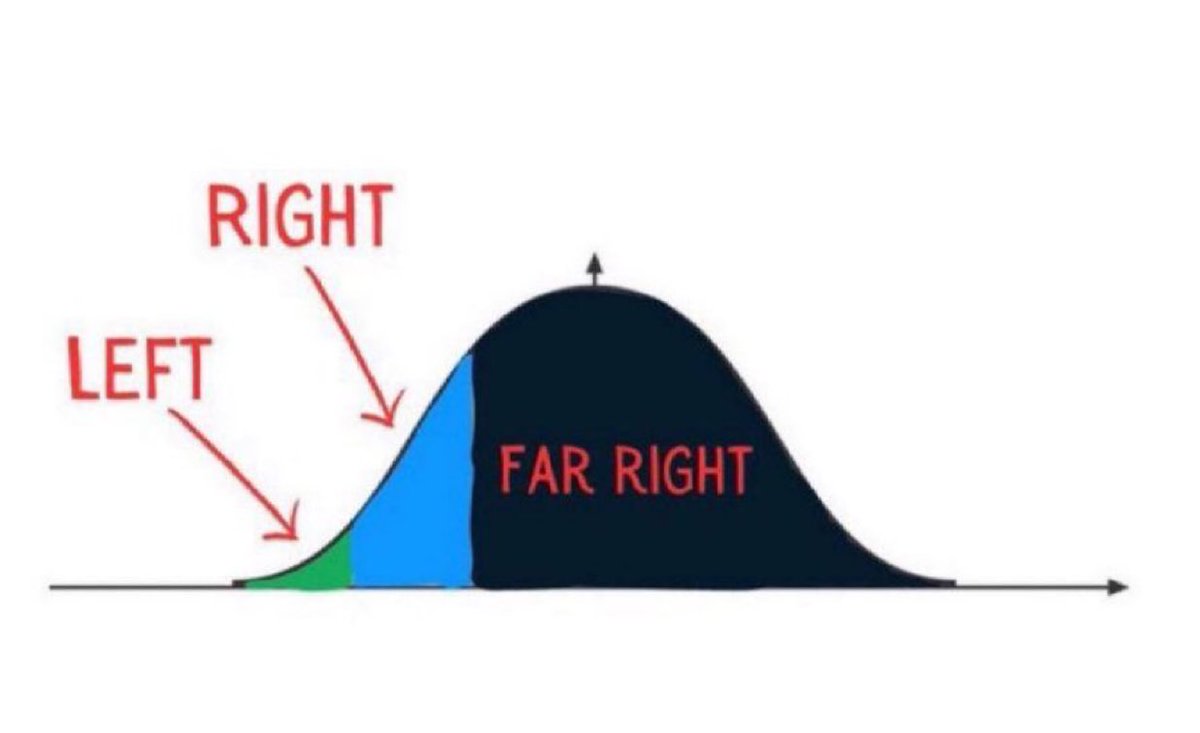 Far-Right InflationFar-Right Inflation is what happens when far-right, Nazi, and fascist get stretched until yesterday's normal attitudes count as extremism. The point is not naming real fascists. It is making disagreement look like a moral emergency.
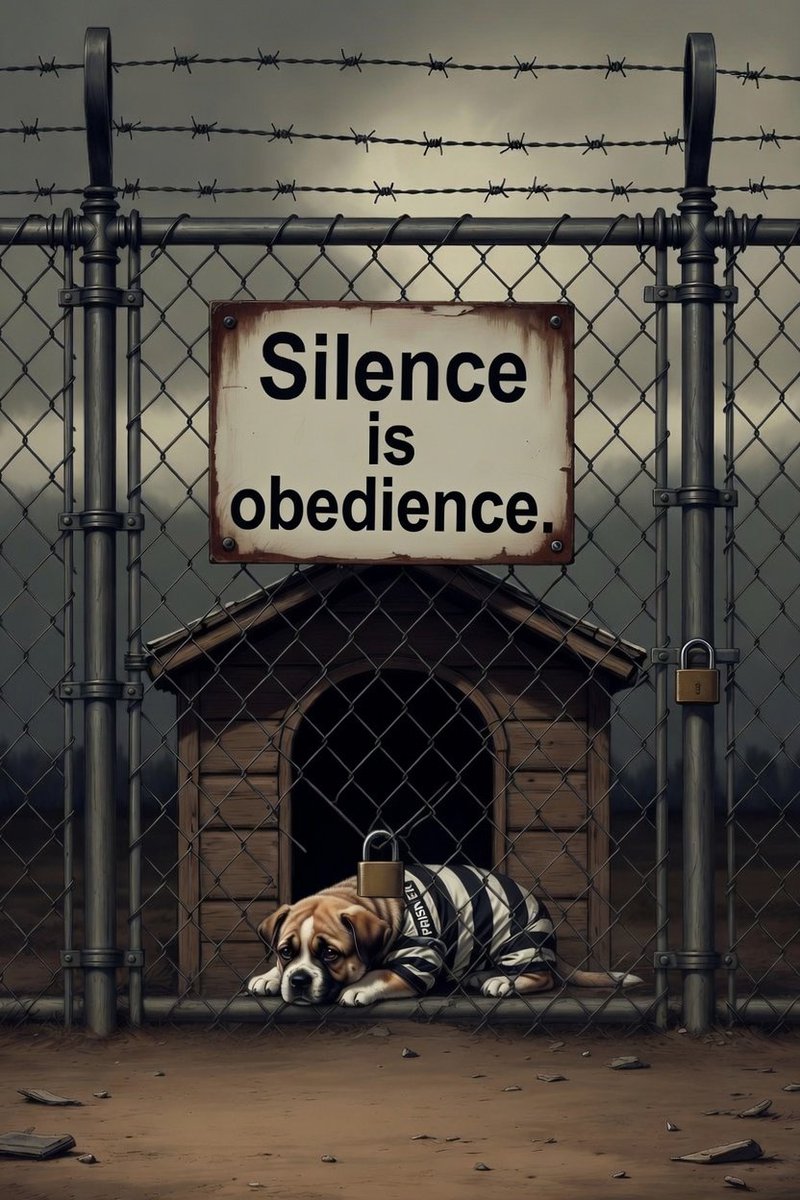 Freedom Of Speech, Not ReachThe establishment wants you to believe that throttling your reach is just a polite way to keep the peace. In reality, "freedom of speech, not reach" is a soft-censorship trap designed to let platforms shadowban dissent and curate a political monoculture without triggering a First Amendment lawsuit.
Gifnotes poster
Sources
FAQ
What is the core idea behind Horseshoe Theory?
It is the observation that rather than being a straight line with opposing ends, the political spectrum is shaped like a horseshoe. The further you travel toward the extreme left or the extreme right, the more the two sides begin to resemble each other in their methods, rhetoric, and reliance on total state control.
Why do the far-left and far-right end up looking so similar?
Because both extremes share a fundamental contempt for individual liberty and free markets. Whether the excuse is class warfare or national survival, both sides ultimately rely on the same machinery: censorship, central planning, and the weaponization of the state against political dissidents.
Who benefits from ignoring this political convergence?
Authoritarian state planners and establishment politicians benefit because it allows them to run a good-cop, bad-cop routine. By framing every political debate as a choice between two radical evils, they convince the public that expanding state power is the only way to stay safe from the other side.
How does economic instability accelerate this process?
When a nation's financial system collapses, the moderate middle class is wiped out. Left with no savings and zero trust in legacy institutions, people stop looking for balanced policies and start looking for strongmen, forcing the political spectrum to bend rapidly toward the extremes.
What is the difference between the two extremes if they behave the same way?
The difference is entirely cosmetic. The far-left uses the language of collective guilt and economic redistribution, while the far-right uses the language of national identity and cultural preservation. Once in power, however, both run the exact same centralized police state.