The Hollywood AI strike was a theater kid PR stunt

Our read
The public theater of the Hollywood strikes was never about stopping AI; it was about negotiating the price of the surrender. While actors and writers marched with cardboard signs for the cameras, the actual business of filmmaking quietly automated the tedious, expensive parts of the pipeline because math always wins over sentiment.

What happened
A new industry exposure reveals that Hollywood studios are aggressively integrating generative AI into active production pipelines while maintaining a public-facing posture of anti-AI solidarity.
The brief
The union contracts were never going to stop math. Studios signed the historic labor deals to get cameras rolling again, knowing full well that localizing AI in post-production and pre-visualization would bypass the guild rules anyway.
The sides
- Creative Guilds
AI is an existential threat to human artistry that must be banned from professional sets.
- Studio Executives
Generative tools are necessary efficiency multipliers to keep bloated theatrical budgets viable.
Why now
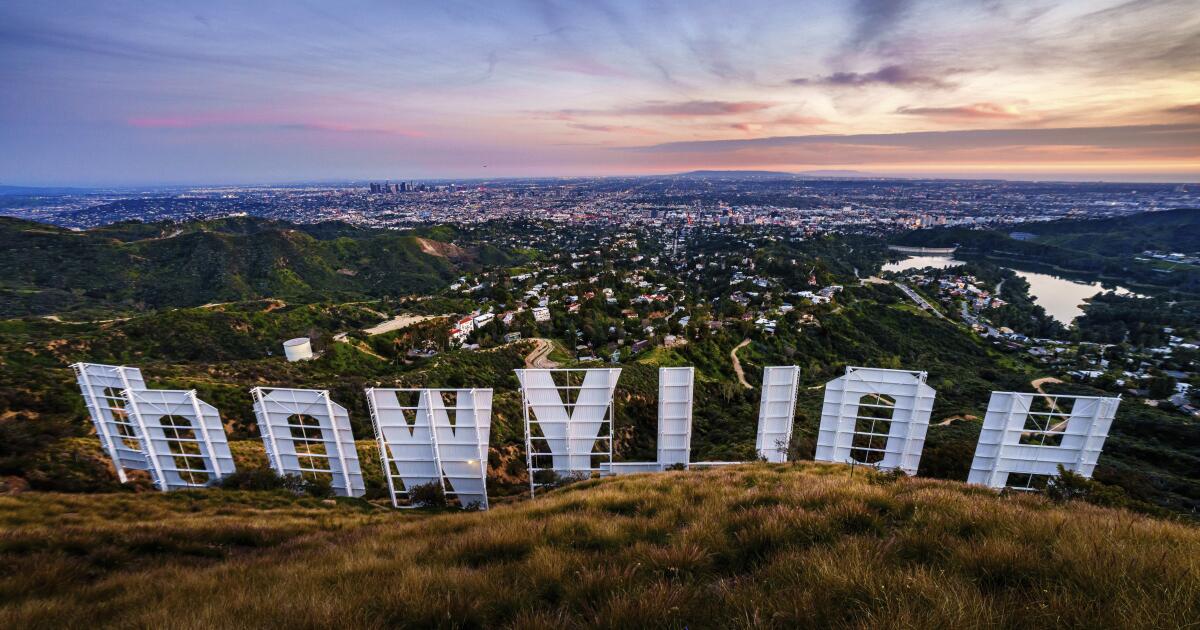
The Los Angeles Times exposed the massive gap between Hollywood's public anti-AI posture and its private deployment of generative tools. As production budgets face historic pressure, the industry is quietly abandoning its moral high ground for margin survival.
Questions
Did the Hollywood strikes actually stop studios from using generative AI?
No, the strikes merely established a pricing model and consent framework for automation rather than halting it. While SAG-AFTRA and the WGA celebrated their contracts as historic protections, the agreements actually created a legal roadmap for studios to license digital replicas and train models. The union contracts did not ban the technology; they simply turned AI integration into a structured licensing transaction.
Why are Hollywood studios quietly deploying AI despite public union agreements?
Studios are integrating generative AI because legacy production models are financially unsustainable under current interest rates and declining box office returns. By quietly automating storyboarding, pre-visualization, and background rendering, production companies can cut millions from bloated budgets. The public-facing anti-AI stance is pure public relations designed to avoid consumer boycotts while the actual pipeline is rebuilt for margin survival.
Who benefits the most from the current Hollywood AI compromise?
Major studio executives and top-tier talent agencies benefit the most because they control the licensing rights for high-value intellectual property. Elite actors can now monetize their digital likenesses across multiple projects simultaneously without ever stepping onto a physical set. Meanwhile, entry-level visual effects artists, background actors, and junior writers bear the full cost of the automation wave as their roles are consolidated.
What is the strongest counter-argument to the claim that the strikes were a PR stunt?
Defenders of the unions argue that the strikes established critical legal precedents for consent and compensation that did not exist before. Without the collective bargaining agreements, studios could have claimed ownership of actor likenesses and writer materials without any compensation. The contracts created a defensive perimeter that protects creators from outright intellectual property theft, even if it cannot stop the broader technological shift.
How does the Hollywood AI transition compare to previous industry disruptions?
The AI transition mirrors Hollywood's shift from silent film to talkies in the late 1920s and the introduction of CGI in the 1990s. In every historical instance, the creative class initially resisted the new medium as an existential threat to the craft before ultimately adopting it to survive. The current shift is merely faster, replacing manual digital labor with algorithmic generation while keeping the underlying corporate power structure intact.
What happens next to entry-level creative jobs in the entertainment industry?
Junior roles in storyboarding, concept art, and basic script polishing will shrink rapidly as studios adopt single-operator generative workflows. Instead of hiring entire teams of junior artists, productions will employ a few senior directors who use AI tools to generate assets in real time. This shift will create a severe bottleneck for industry newcomers, destroying the traditional apprenticeship pipeline that trains the next generation of filmmakers.
Receipts
Related dispatches
- AI Propaganda OperationsThe 'AI safety' crowd is still pissing their pants over Skynet while the real war is already being fought, and AI is the new nuke. We're not talking about bad essays anymore; we're talking about autonomous, scalable propaganda operations. AI-powered psyops are turning public opinion into a programmable asset, ghostwriting geopolitical narratives, and good luck telling what's real.
- The Death of the Remake WindowStudios are remaking cartoons before the original kids graduate high school, then filming the 'respectful' version on a Burbank Volume so the money never leaves the soundstage. Creative exhaustion with a diversity press kit.
- The 'AI won't take your job' cope is corporate liability insuranceThe comforting corporate line that AI is just a friendly co-pilot is a deliberate PR buffer. Companies push the 'augmentation' narrative to keep human staff productive and cooperative while they quietly build the infrastructure to replace them.
- The AI Backlash is Just the New Luddite PlaybookThe media's pivot from 'AI will write your emails' to 'AI will cause street riots' is a classic panic cycle designed to justify state-backed speech and code licensing.
- The AI Rare Book Shredding PanicThe panic over AI companies shredding rare books is peak midwit theater. If a book is so rare that it only exists in three moldy basements, digitizing its contents into a neural network that can actually use it is a massive net positive for human knowledge, even if the paper gets recycled.
- AI Experts DEBUNK Fake YouTube ChannelsThe creator economy is collapsing not under the weight of sentient super-intelligence, but beneath a cheap, GPU-fueled army of automated content farms cloning human aesthetics to farm fake engagement and peddle digital product scams.